Checking Out Water Technology Startups: Just How They Revolutionize Sustainable Solutions
Water Technology startups are arising as important players in the pursuit for lasting solutions to worldwide water problems. These business utilize innovative innovations to enhance water efficiency and monitoring. Their contributions attend to pressing challenges such as scarcity and contamination. Despite their capacity, they encounter numerous barriers that might influence their success. Understanding these characteristics sheds light on the future of water sustainability and the function these start-ups might play in forming it.
The Significance of Water Technology in Today's Globe
As global water deficiency increases, the significance of water Technology comes to be progressively obvious. Water Technology plays an important function in resolving the difficulties positioned by raising and diminishing fresh water resources demand. It encompasses a broad variety of developments, including sophisticated filtering systems, wastewater treatment technologies, and smart watering services. These improvements not only boost the effectiveness of water use but also advertise sustainable practices throughout different sectors, including farming, market, and urban development.
Moreover, the relevance of water Technology expands beyond source monitoring. It promotes resilience against environment modification effects, such as floods and droughts, by offering flexible services for water conservation and administration. Additionally, it supports public health by ensuring accessibility to tidy and secure alcohol consumption water. As the globe deals with expanding water-related difficulties, the integration of sophisticated water innovations is crucial for promoting lasting development and safeguarding water accessibility for future generations.
Innovative Solutions From Water Tech Startups
While standard strategies to water monitoring have actually served their purpose, a brand-new wave of water tech start-ups is reinventing the industry with cutting-edge remedies (Water Technology Startups). These companies take advantage of innovative modern technologies to attend to pressing water problems, such as shortage, contamination, and inefficient distribution. Lots of start-ups utilize expert system and equipment learning to optimize water use and predict need, resulting in even more lasting techniques
Additionally, several firms concentrate on developing advanced filtering systems that eliminate contaminants and make water secure for intake. Others explore decentralized water treatment technologies, permitting areas to handle their water sources better. Some start-ups are introducing clever watering remedies that decrease water waste in agriculture, advertising environmental conservation.
Instance Studies: Effective Water Technology Startups
Countless water Technology startups have actually become leaders in addressing worldwide water difficulties via innovative strategies. One significant instance is Xylem, which concentrates on water analytics and smart infrastructure to enhance water use and decrease waste. Their solutions have actually been executed in numerous districts, showing significant improvements in water monitoring effectiveness.
An additional effective start-up, Zero Mass Water, has established solar-powered hydropanels that draw out water vapor from the air, supplying lasting alcohol consumption water in dry areas. Water Technology Startups. This Technology has actually been released in a number of nations, ensuring communities have accessibility to clean water
AquaVenture Holdings operates a diverse portfolio of water-as-a-service solutions, attending to water scarcity through desalination and wastewater therapy. Their projects have verified necessary in regions facing severe water shortages, showcasing the capacity of innovative water technologies to create long lasting, favorable influences. These instance researches highlight the transformative capacity of start-ups in the water Technology sector.
The Function of Smart Technology in Water Monitoring
Smart Technology plays a crucial function in contemporary water monitoring by leveraging IoT applications to enhance source use. Data analytics boosts effectiveness by offering actionable understandings, while remote tracking solutions enable real-time oversight of water supply. With each other, these developments transform how water is taken care of, promoting sustainability and functional performance.
IoT Applications in Water
As water shortage and administration obstacles intensify globally, the assimilation of Web of Things (IoT) applications has become a critical remedy in enhancing water resources. IoT Technology helps with real-time monitoring and analysis of water systems, enabling a lot more efficient use and management. Sensing units deployed in numerous water infrastructures can track quality, circulation rates, and leakage, providing important information to stakeholders. This data empowers utilities and consumers to make informed decisions, minimizing waste and boosting conservation initiatives. Additionally, clever watering systems use IoT to maximize water shipment for farming, guaranteeing that crops get the ideal amount of water at the correct time. In general, IoT applications are transforming typical water management techniques, fostering sustainability and durability in water source systems.
Data Analytics for Efficiency
Using information analytics is essential for boosting efficiency in water monitoring. Water Technology startups are significantly using advanced analytics to enhance resource allowance and minimize waste. By evaluating information from various sources, these startups can recognize patterns and trends that inform far better decision-making. As an example, predictive analytics can anticipate water demand, enabling energies to adjust supply accordingly, thereby decreasing surpluses and scarcities. In addition, real-time data processing enables the instant detection of leaks and ineffectiveness within circulation systems, substantially minimizing functional prices. Data-driven insights encourage stakeholders to implement targeted conservation techniques, cultivating sustainable practices. Basically, incorporating information analytics into water management not only simplifies operations but likewise promotes lasting sustainability in water source use.
Remote Monitoring Solutions
While standard water management systems commonly battle with inefficiencies, remote monitoring solutions are transforming how water resources are taken care of. These innovative innovations make it possible for real-time information collection and analysis, allowing stakeholders to check water quality, flow rates, and usage patterns from afar. Using sensors and IoT devices, remote tracking provides immediate understandings that facilitate positive decision-making. This shift not just boosts operational efficiency but also advertises sustainability by minimizing water waste and optimizing source allotment. In addition, remote monitoring systems can recognize potential concerns before they rise, consequently lessening the danger of contamination or infrastructure failing. As water Technology startups remain to develop these remedies, the sector is poised for considerable developments in sustainable water management methods.
Difficulties Facing Water Technology Startups
Water Technology startups experience substantial obstacles that can prevent their development and success. Key issues consist of securing appropriate financing, navigating via intricate regulatory environments, and contending in a jampacked marketplace. These obstacles call for critical preparation and development to overcome.
Funding and Investment Obstacles
Although development in water Technology holds immense possibility for addressing global obstacles, startups in this sector typically deal with significant financing and investment obstacles. Many capitalists stay cautious, regarding the water industry as high-risk as a result of its complicated governing landscape and long development timelines. In addition, start-ups typically struggle to show instant profitability, which can prevent possible backers. Typical financial backing may forget water innovation, preferring industries with quicker returns, such as technology or consumer items. Furthermore, safeguarding gives and federal government financing can be taxing and competitive, additional making complex financial stability. Water Technology Startups. As a result, several ingenious water Technology startups find themselves in a precarious position, calling for creative financing strategies to navigate these economic barriers and attain their goals
Regulative Compliance Issues
Steering regulative conformity is a significant challenge for startups in the water Technology field, as they must come to grips with a myriad of regional, nationwide, and global regulations. These policies usually include water high quality standards, environmental management regulations, and safety and security protocols, which can vary widely across jurisdictions. Startups might discover it hard to browse this complex landscape, especially when scaling operations or going into new markets. The prices related to conformity can be significant, drawing away sources far from technology and item growth. In addition, hold-ups in acquiring required permits or certifications can hinder growth and market access. Subsequently, a robust understanding of regulatory frameworks is essential for these start-ups to assure lasting operations and avoid potential legal repercussions.
Market Competitors Dynamics
As water Technology start-ups emerge in a competitive landscape, they encounter numerous obstacles that can hamper their growth and innovation. Developed companies often control the market, leveraging sources and experience to preserve their settings. Start-ups battle with limited financing, which restricts r & d capacities, making it challenging to complete on Technology and prices. Additionally, the quickly developing nature of water modern technologies demands consistent adaptation, more stressing startup resources. Regulatory difficulties can make complex market entrance, as conformity with ecological criteria is crucial yet costly. Ultimately, drawing in skilled ability in a particular niche area offers another challenge, as bigger firms may supply more attractive employment bundles. Consequently, these aspects develop an intricate environment for water Technology startups aiming to prosper.

The Future of Water Technology and Sustainability
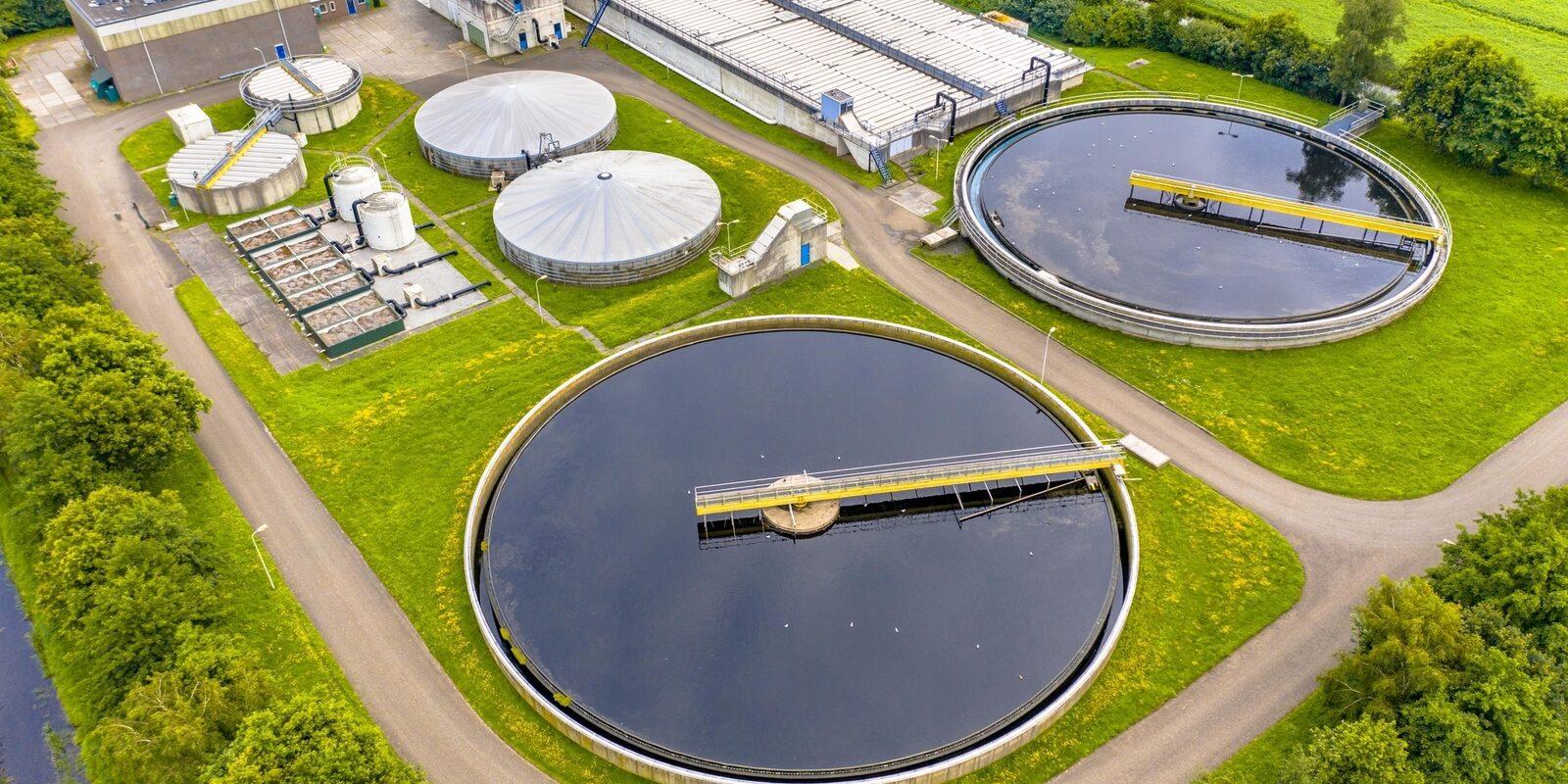
The future of water Technology will likely concentrate on integrating artificial knowledge and data analytics to maximize water circulation and usage patterns. By harnessing real-time data, firms can anticipate shortages and take care of resources better. Lasting techniques will end up being a cornerstone of the market, encouraging round economies where water is recycled and treated. Inevitably, the continued development of water Technology will certainly be crucial in producing resilient infrastructures efficient in meeting the difficulties presented by environment modification and populace development while advertising ecological stewardship.
Frequently Asked Questions
What Are the Secret Metrics for Assessing Water Technology Startups?
Trick metrics for assessing water Technology start-ups include market capacity, scalability, consumer acquisition costs, income growth, modern technology advancement, regulatory conformity, ecological influence, affordable benefit, and group experience, all critical for identifying long-lasting feasibility and success.
Exactly How Can People Assistance Water Technology Innovations?
People can sustain water Technology advancements by buying start-ups, promoting for plan modifications, taking part in neighborhood efforts, sharing understanding about sustainable methods, and advertising recognition of water concerns via neighborhood events and social media.
What Are Typical Funding Sources for Water Technology Startups?
Usual funding sources for water tech startups consist of financial backing, government grants, crowdfunding platforms, angel capitalists, and company partnerships. These financial avenues aid assist in advancement and development in lasting water monitoring innovations.
Which Industries Advantage Many From Water Technology Advancements?
Industries such as farming, power, manufacturing, and metropolitan services profit considerably from water Technology developments. These developments enhance water performance, minimize costs, and advertise lasting techniques, ultimately contributing to environmental conservation and source monitoring.
Exist Any Governing Obstacles Details to Water Technology?
Yes, water Technology deals with regulatory obstacles, consisting of compliance with environmental requirements, permitting procedures, and varying local policies. These intricacies can impede innovation and reduce the implementation of brand-new technologies in the water monitoring industry.
Water Technology startups are arising as critical players in the mission for lasting remedies to global water problems. As worldwide water deficiency intensifies, the significance of water Technology becomes increasingly obvious. Others explore decentralized water treatment technologies, allowing areas to manage their water sources more successfully. An additional successful start-up, Absolutely no Mass Water, has actually developed solar-powered hydropanels that draw out water vapor from the air, giving lasting drinking water in dry regions. Their jobs have actually verified crucial in areas dealing with serious water shortages, showcasing the capacity of ingenious water modern technologies to create long-term, positive influences.